.png)


Making Travel Easier for Neurodiverse Families

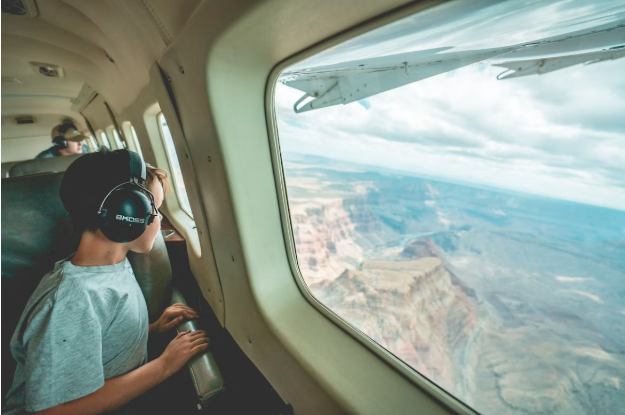
Traveling with family often creates those unforgettable memories we cherish, but for neurodiverse families, the journey itself can sometimes feel like a big hurdle. All the routine changes, new sights and sounds, and just the general unpredictability of travel can be a lot for kids and adults with autism, ADHD, or sensory processing differences. But here's the good news: with a bit of thoughtful planning and the right strategies, you can absolutely make travel a much smoother and more enjoyable experience for everyone. The trick is to think ahead about what everyone might need and weave in some comfort and predictability into your plans. That way, the whole adventure feels safer and much more manageable.
Creating a Predictable Travel Routine
One of the biggest challenges for neurodiverse folks when traveling is breaking away from their usual routines. You can really help ease this stress by setting up a temporary "travel routine" and introducing it even before you leave home. A great way to start is by creating a visual schedule or a social story about the trip. This can gently guide your child through every step of the journey, from leaving the house to arriving at the airport, getting on the plane, and finally reaching your destination. Use simple pictures or words to show what will happen and when. For instance, you might show a picture of a suitcase, then a car, then an airplane.
In the weeks leading up to your trip, chat about the plan often. Talk about the sounds you might hear at an airport, what it feels like when a plane takes off, and any new foods you might try. This kind of preparation really helps take the mystery out of the experience and gives your child a mental roadmap to follow. It's also helpful to keep as much of your home routine as possible. If you have a special bedtime story or a morning ritual, try to stick to it while you're away. This consistency offers a familiar anchor in what might otherwise be a completely new environment. Thinking through these steps is a core part of planning stress-free vacations and can truly make a world of difference. The goal isn't to get rid of all spontaneity, but to build a predictable structure that calms worries and makes new experiences feel less scary.
Packing Smart for Comfort and Calm
A well-packed bag can seriously be your best friend for managing sensory needs and keeping things calm during a trip, helping to minimize sensory challenges. Think of it like a portable comfort kit, packed with items that can help your child self-regulate and feel secure. This bag should definitely be a carry-on that stays right with you.
Here are some must-haves for your sensory comfort kit:
Noise-canceling headphones: Airports, train stations, and airplanes can get incredibly loud. Headphones can block out overwhelming noise and create a little quiet bubble just for them.
Familiar snacks and drinks: New foods can sometimes cause stress. Packing favorite, non-perishable snacks means your child will have something comforting and familiar to munch on, especially during long waits or delays.
Comfort objects: A favorite blanket, a beloved stuffed animal, or a special toy can bring a sense of security and normalcy. These items can be really grounding when stress levels are high.
Fidget tools and sensory toys: Pack a few small, quiet items like stress balls, chewable jewelry, or textured toys. These can help channel anxious energy and provide that needed sensory input in a discreet way.
Weighted lap pad or vest: For some kids, deep pressure is incredibly soothing. A portable weighted lap pad can be a lifesaver on a plane or in a car, offering a calming sensation that helps reduce anxiety.
Before you go, let your child help pack their comfort kit. Letting them choose which items to bring gives them a sense of control and ownership over their coping strategies. This simple act can empower them and make the idea of travel much more approachable and easier for neurodivergent kids.
Simplifying Transitions with Light Luggage
Navigating busy terminals and city streets is tough enough without wrestling with multiple heavy bags. For families with neurodiverse members, making your luggage situation simpler is a direct way to cut down on stress and sensory overload, and you can find convenient luggage storage near Amsterdam Central. The fewer items you have to keep track of, carry, and maneuver, the more mental and physical energy you'll have to support your child through all the transitions. Trying to juggle suitcases, backpacks, and carry-ons while also holding a child's hand can quickly become overwhelming for everyone.
Consider packing light, focusing only on the absolute essentials. Using packing cubes can help organize clothes and make it easier to find what you need without emptying the whole suitcase. Even better, look for ways to offload your luggage whenever you can. Many cities offer handy services that let you store your bags for a few hours or even a whole day. This is useful on arrival or departure days when you might have a big gap between checking out of your hotel and heading to the airport. This way, you can focus on your family's needs instead of your belongings, turning what could be a stressful waiting period into a much more pleasant experience.
Understanding Sensory Needs on the Go
Even with the best planning, travel will definitely throw some new and intense sensory experiences your way. The key is to anticipate these moments and have strategies ready to handle them. Airports are a perfect example of a sensory-rich environment, full of bright lights, loud announcements, and big crowds. Before you even get there, talk with your child about what to expect. Noise-canceling headphones are a must, but also think about sunglasses or a brimmed hat to lessen visual stimulation.
During the journey, really pay attention to your child's cues. Are they starting to withdraw, get agitated, or become overly active? These can be signs of sensory overload. When you notice this, try to find a quieter spot for a break. Many airports now have special quiet rooms or sensory rooms designed for just this purpose. If one isn't available, even a less-crowded gate area or a family restroom can offer a brief escape. Offering a favorite snack, a fidget toy, or some deep-pressure hugs can also help calm their nervous system. Understanding the specific challenges of travel for kids with sensory needs means being proactive instead of just reacting. It's all about recognizing the triggers and having a toolkit of calming strategies ready before a meltdown happens.
Finding Quiet Spaces in Busy Places
Tourist attractions are often crowded, loud, and visually overwhelming – a perfect recipe for sensory overload. But that doesn't mean you have to skip them entirely! The secret is to build "sensory breaks" into your itinerary and know how to find little pockets of calm within bustling places. Before visiting a museum, theme park, or busy city center, check out a map of the area online. Pinpoint potential quiet spots like gardens, courtyards, or less-popular exhibit halls where you can retreat if things get too intense.
Many attractions are also becoming more aware of neurodiversity and offer helpful resources. Check their websites for information on sensory-friendly hours, quiet rooms, or accessibility guides that point out less-stimulating areas. Some theme parks even provide special passes that let families bypass long, stressful lines. Don't hesitate to call ahead and ask what accommodations might be available. Planning for these quiet moments is just as important as planning the main activities. Scheduling a 15-minute break in a park for every hour spent in a museum can make the entire day more sustainable and enjoyable. These proactive strategies for traveling and neurodiversity help ensure that everyone has the stamina to enjoy the trip without feeling constantly overwhelmed.
Traveling as a neurodiverse family definitely requires a bit more preparation, but it's absolutely doable and so rewarding. By focusing on predictability, packing smart for comfort, and building in chances for rest and regulation, you can create wonderful travel experiences that your whole family will treasure.


Comments