.png)


Sunday Morning Is a Sensory Event

Updated: Aug 29

Sunday morning is a sensory event. The usher whispers. The band starts. Someone offers a hand you did not ask for. You make it to the car and someone says, “We tried.”
That sentence is not a failure of faith. It is a report on the room.
The sanctuary was not designed as a sensory plan
Lights stay up. Music does not drop. Incense or a neighbor’s perfume does not wait. A greeting expects eye contact. A body is told when to stand. The Autism Faith Network’s 2026 toolkit names the stack: bright lighting, loud music, crowded spaces, unspoken social expectations.

Katy Unwin and Armand Léon van Ommen asked 299 adults, ages 18 to 82, about that stack. Eighty-two were diagnosed autistic. Sixty-one were self-diagnosed. One hundred fifty-six were not autistic. It was an online questionnaire, not a trial.
Autistic people reported more sensory barriers. They needed more accommodations. They felt more connected to God when they had control of the sensory and social parts of the service. Both groups enjoyed some of the same sensory pieces. The difference was the cost.
The Centre for Autism and Theology at Aberdeen put the same project in a 2025 report. Almost a fifth of the autistic participants stay home because of the sensory environment. Recovery can take hours, and sometimes days. That figure belongs to this sample. It is not a U.S. percentage.
Staying home is data, not a crisis of faith
If an autistic adult skips Sunday service, the pew already has the data. Control is the finding that matters. A person who stays home is not refusing God. They are reporting that the room asked for more than they had.
The same load shows up in a synagogue, a mosque, a temple, or a nondenominational hall. Sound. Light. Smell. Standing without warning. A social script no one printed.
A loud service can be overwhelming.
What to pack and preview before you go
If you go, treat it like any other high-load room. Preview what you can. Pack what the room will not provide.
Headphones or earplugs. Volume is not a virtue.
A fidget or a familiar object. Permission is the accommodation.
Sunglasses or a brim. Lights stay up unless someone changes them.
A written order of service, if you can get one by Friday. Unspoken rules are still rules.
An exit script and a named person who will not shame a leave-taking. A quiet room is a choice, not a sentence. The car counts.
If incense is on the calendar, that is information. Ask before Sunday if you can.
What a church can change this month
None of this requires a capital campaign. The Autism Faith Network’s Space to Belong project sent materials to 20 congregations in 13 states and D.C. — 61 tools, with a $100 item cap. Headphones. Fidgets. Softer light. That is the scale.
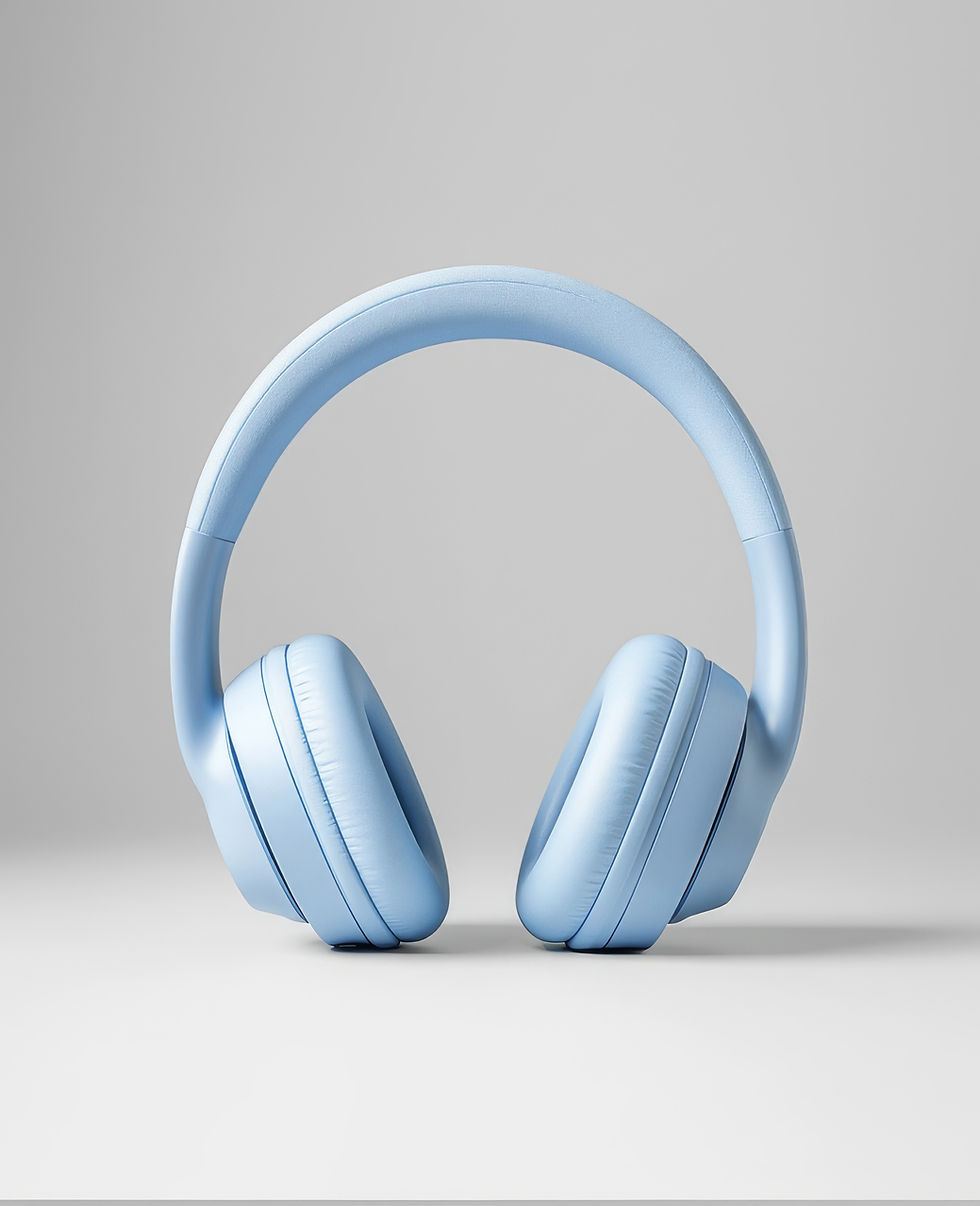
Put a line in the bulletin: headphones, fidgets, and movement are welcome.
Publish the order of service by Friday. Include whether incense will be used.
Turn the lights down one notch. Drop the music one notch. Skip the handshake if someone does not offer a hand.
Stop policing stims. A moving body in a pew is not a disruption of worship. It is someone staying in the room.
A quiet room is useful when it is optional. It is a problem when it is the only place an autistic adult is allowed to be.
Catholic parishes already running a sensory Mass are a useful picture, not a template for every tradition. In the Diocese of Grand Rapids, St. John Paul II Church in Cedar Springs holds a sensory-friendly Mass on the first and third Sundays through December 20, 2026: lower lights, softer music, no incense; fidgets and headphones welcome. Nativity Catholic Church in Burke, Virginia, holds a Sensory Mass on the second Sunday of the month.
Belonging is not only a children’s-ministry problem
The adults in Unwin and van Ommen’s sample were 18 to 82. Sensory access is not a Sunday-school question. It is a question about who can stay in the room without paying for it on Monday.
A congregation that only builds a children’s corner has not finished the work. Autistic adults worship. They also usher, preach, and stay home. The last one is data.
Aberdeen’s report is clear that no one sensory plan fits every body. Listen first. Ask the people who already know what the room does to them. Belonging is being able to worship as an autistic person — including the ones who never come through the children’s wing.
Sources
Katy Unwin and Armand Léon van Ommen published “Autistic and Non-Autistic Experience of the Sensory Aspects of the Church Service” in the Journal of Psychology & Theology, volume 52, number 4, in 2024. The sample was 299 adults ages 18 to 82; the method was an online questionnaire. https://doi.org/10.1177/00916471241266810
Armand Léon van Ommen, Katy Unwin, and Cody Crawshaw wrote “How do our senses enable worship?” for the Centre for Autism and Theology at the University of Aberdeen, Neurodiversity and Faith Series 1.0, in 2025. https://www.abdn.ac.uk/media/site/dhpa/1.0--How-do-our-senses-enable-worship-2.pdf
The Autism Faith Network published “Space to Belong 2026: Results and Impact of Creating Autism-Friendly Churches,” reporting 20 congregations in 13 states and the District of Columbia and 61 sensory tools distributed. https://autismfaithnetwork.com/space-to-belong-2026-results-and-impact-of-creating-autism-friendly-churches/
The Autism Faith Network’s “Creating a Sensory Space with $100” describes Space to Belong congregations receiving up to $100 in sensory supplies. https://autismfaithnetwork.com/creating-a-sensory-space-with-100/
The Autism Faith Network published the “2026 Accessible Faith Initiative Toolkit,” which names bright lighting, loud music, crowded spaces, and unspoken social expectations as barriers. https://autismfaithnetwork.com/2026-accessible-faith-initiative-toolkit/
The Diocese of Grand Rapids lists a sensory-friendly Mass at St. John Paul II Church in Cedar Springs, Michigan, on the first and third Sundays through December 20, 2026. https://grdiocese.org/event/sensory-friendly-mass-2/2026-08-16/
Nativity Catholic Church in Burke, Virginia, describes its monthly Sensory Mass on the second Sunday of the month. https://nativityburke.org/sensory-mass/


Comments